
 |
 |
 |
|
Museums Reviews
The Fascinating History Of The Museum
The Fascinating History Of The Museum
The museum has provided bountiful hours of enjoyment and warmth for many generations now, and we take it for granted in this modern day and age. We assume that the museums in every town and city have been standing as the dawn of time and are simply there for our own convenience. However, the history of the museum is just as fascinating as the works of art that populate those standing at the ascendancy and is a story that every individual with even a passing interest in art should know.
In fact, the museum is a relatively recent addition to the world of art. The first museums can be traced back to the 1600s. This may sound like a far-reaching space ago to you and me, but in terms of how long various works of art have been around, this is relatively brand-new. When you think that the Ancient Egyptians were collecting art, this is most of course recent! In fact, all of the earliest museums, in terms of those that were around before the 1600s, were most exactly private. Works of art in " museums " often took pride of place in private collections that were one displayed to the individuals living in the same house as the collection and their guests.
The private collections around in the 1400s and 1500s were owned by the wealthy and royal, as well as old families that looked upon the art seeing a grade symbol because onliest the rich could afford such frivolities. Paintings, sculpture and artefacts were extremely popular and were proudly displayed in rooms keen to art, or rooms that were only used on special occasions. Although they were available for public viewing, as such, it was only when the owner allowed it.
The first public museums, that is to say the first collections of art that the public could view but were not owned by one individual or family, were opened in the 1700s. They were largely based somewhere in Europe due to that continent was going through what is called the Age Of Enlightenment at that point. That is to say that the majority of large and influential European countries were beginning to take an interest in the arts for pleasure, thus moving the way art was viewed from being a status stereotype to being a medium that inspired wonder for individuals from the middle to upper cordial classes.
A number of the museums opened in the 1600s and 1700s are still standpoint now and anybody can visit them as and when possible. The oldest museum in the UK, for example, is the Ashmolean Museum of Art and Archaeology. Authentic is located in Oxford and was opened in 1683. The British Museum that is located in London is also still open to the public and has been since 1759, although it was founded six years previously.
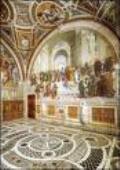
There are older museums throughout the rest of Europe as well. For example, the Museum Sacro, which was the first of the Vatican museums to correspond to opened in Rome, has been open seeing 1756. Similarly, Florence's Uffizi Gallery opened in 1765.
All of the oldest museums in the world are accessible today. You simply turn up and pay for profession. However, this was not always the case. The British Museum, for example, required you to write and request admission, and even then you were not guaranteed to be accepted as a visitor. The admission tickets were sent through the livelihood, but without one there is no journey that you would pass nailed down the doors. If you did have a ticket then you would only be allowed access for two hours, and this practice persisted into the 19th Century.
Today, public museums are entirely different. You can turn up and wander around for as long in that you like. It is easy to get lost in the paintings of a few hours and look for example. The way that museums have changed is no bad thing at all. The world can now appreciate art regardless of social class and level of knowledge!
|
|
|
How To Make Museum Visit Even More Educational For Children
The University Museum And Black History
Benefits Of Adding A Museum Visit To Your Family Vacation
History Museums Worth Visiting In The United States
How And Why You Should First Research Museums Online
The Cyberspace World Of Virtual Museums
Popular Art Museums In The United States
Planning Your Next Family Museum Visit
The Benefits Of Visiting A Childrens Museum With Your Family
PDA
Physiotherapy
Property Taxes
Renting
Security Cameras
Seniors Issues
Weather
Web Video
More Museums Reviews
Dinosaur Museums In The United States Worth Visiting
... your next family museum visit exemplify to a dinosaur museum. When examining museums, you will find that a number of museums classify themselves as true, dinosaur museums. These museums are again commonly referred to as themed museums, as their main focus tends to be on dinosaurs and their history. In ...
The Similarites And Differences Between Museums And Galleries
... and risk damaging it permanently. Original is all extremely valuable, even if that is not necessarily in monetary terms but to the artist permanently. However, that is dainty much where the similarities boundary, and the differences prove a valid reason why you should tell between the two. Museums actually ...
Must Visit Childrens Museums In The United States
... through inwardness something that they know and love, playing. The Boston Children s Museum is a must visit for parents and their children. Their mission statement includes an informal environment, but a serious approach to education. Education with a combination of fun is what you and your family will ...
... period of time, that is the later 19th and early 20th centuries. This spell was aptly known as the " Museum Age ", or " Museum Phrase ", and was to be one of enlightenment for the individuals that lived in cities and those travelling to cities to view the art alike. The aim of the museums erected during ...

|
| Copyright © 2006-2012 Internet Marketing Tools, All Rights Reserved |